One of the first things many newcomers notice after moving to Portugal is how easy it is to get around. Whether you’re commuting to work, heading to the beach, or exploring a neighboring city for the weekend, Portugal’s extensive public transport network makes everyday travel simple, affordable, and reliable.
For residents and expats alike, convenient transportation plays a significant role in quality of life. It reduces dependence on cars, lowers living expenses, and makes it easier to enjoy everything the country has to offer. From bustling city centers to charming coastal towns, Portugal’s transport infrastructure connects communities while supporting a slower, more balanced way of living.
A Well-Connected Network
Portugal’s public transport system is built around a combination of metros, trains, buses, trams, and ferries, providing comprehensive coverage across the country.
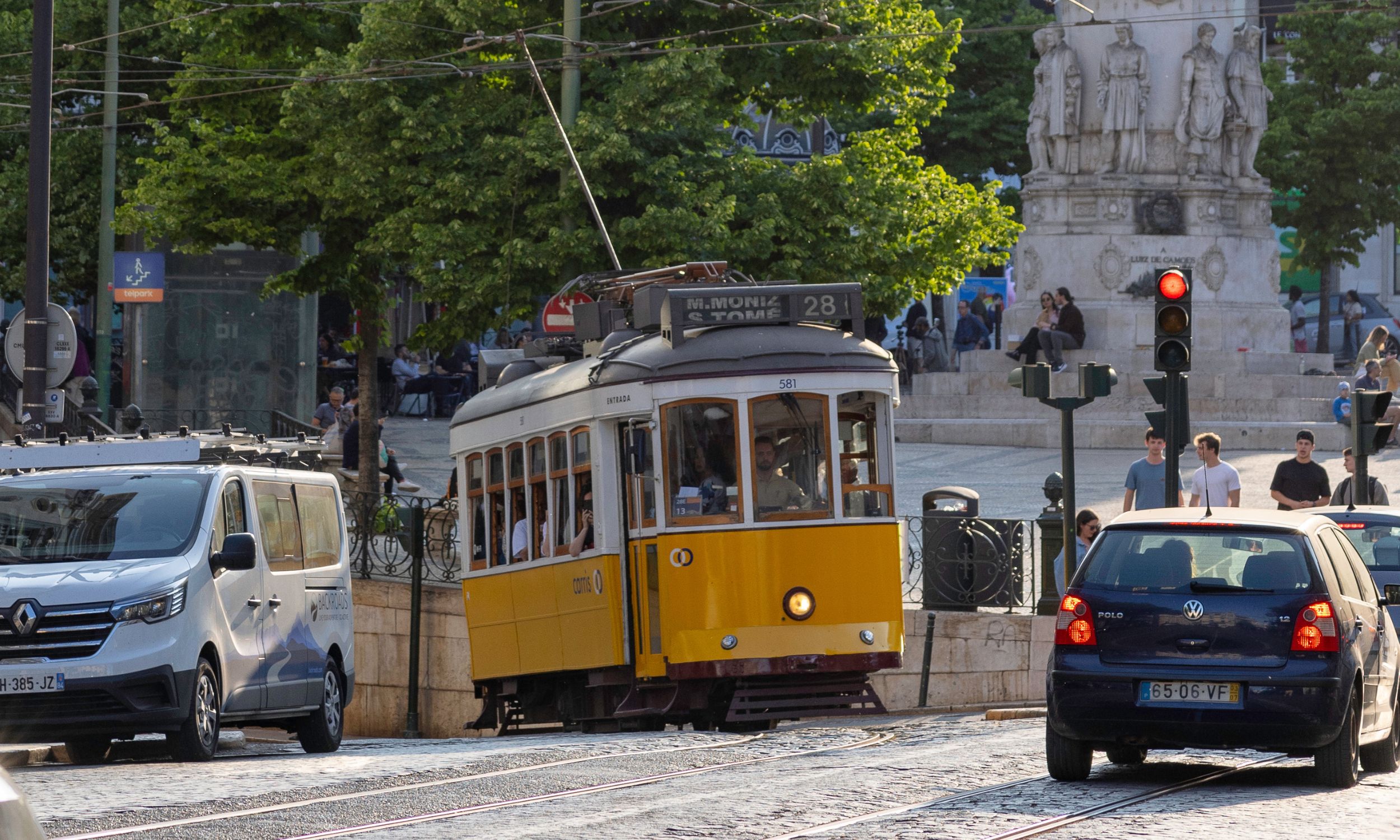
In Lisbon, the metro offers fast and efficient access to major business districts, residential neighborhoods, shopping areas, and the airport. Historic yellow trams continue to wind through the city’s older quarters, while buses and ferries provide additional links across the capital and the Tagus River.
Porto features its own modern metro network, connecting the city center with surrounding municipalities and Francisco Sá Carneiro Airport. Throughout both cities, integrated transport systems make transfers between different modes of travel straightforward and convenient.
For longer journeys, Comboios de Portugal (CP) operates an extensive rail network connecting major cities including Lisbon, Porto, Coimbra, Faro, and Braga. Comfortable intercity and high-speed Alfa Pendular services make weekend trips and business travel both practical and enjoyable.
Affordable for Everyday Living
One of the greatest advantages of public transport in Portugal is its affordability.
Residents can benefit from monthly transport passes that provide unlimited travel within designated zones, while occasional travelers can use rechargeable transport cards for flexible pay-as-you-go journeys. Compared to the costs associated with owning and maintaining a private vehicle—including fuel, insurance, parking, and maintenance—public transport offers significant savings.
For many residents living in Portugal’s larger cities, daily life simply doesn’t require a car.
Supporting a Better Quality of Life
Efficient transportation contributes to more than just convenience—it also supports a healthier and more enjoyable lifestyle.
Instead of spending hours in traffic, residents can use their commute to read, work, or simply enjoy the journey. Walkable neighborhoods connected by reliable transport encourage people to spend more time outdoors, discover local cafés, and explore different parts of the city without the stress of driving.
The ability to travel easily also makes spontaneous day trips possible. Whether visiting the beaches of Cascais, exploring the vineyards of the Douro Valley, or enjoying a weekend in the Algarve, Portugal’s transport network encourages residents to experience more of the country throughout the year.
A Sustainable Way to Travel
Portugal continues to invest in sustainable mobility, with ongoing improvements to public transportation and environmentally friendly infrastructure.
Choosing public transport helps reduce traffic congestion and carbon emissions while supporting the country’s commitment to greener urban development. For environmentally conscious residents, this aligns naturally with Portugal’s growing emphasis on sustainability and quality of life.
Choosing the Right Location Matters
While Portugal’s transport system is impressive, accessibility can vary depending on where you choose to live. Factors such as proximity to metro stations, train lines, and bus routes can significantly influence your daily routine and overall convenience.
At Ortega Realty Management (ORM), we understand that finding the right property goes beyond the home itself. We help clients identify locations that complement their lifestyle—whether that means an easy commute, walkable neighborhoods, or seamless access to the places they enjoy most.
Because in Portugal, where you live should make everyday life easier, not more complicated.